
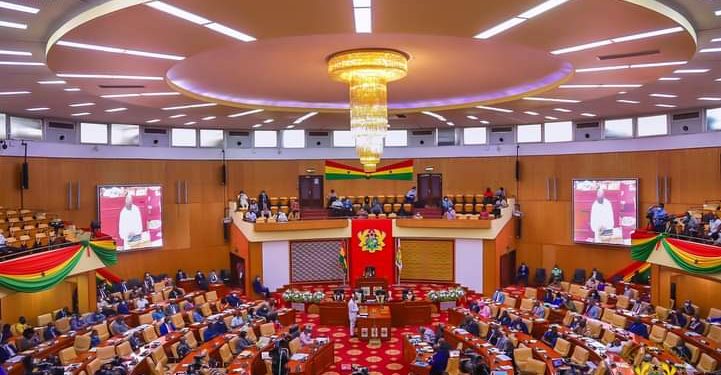
Parliament Approves Income Tax Amendment, Exempts Ghana’s Minimum Wage from Tax
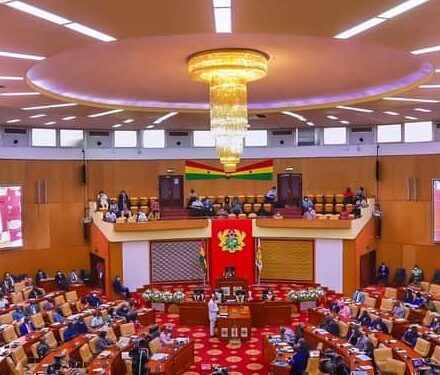
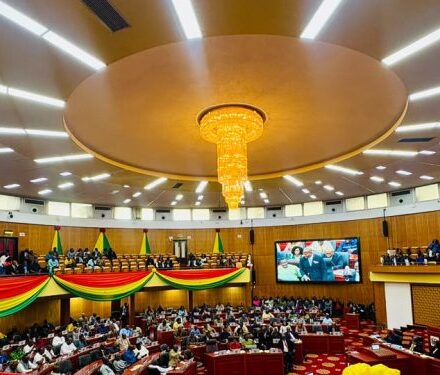
Ghana’s Parliament has passed the Income Tax (Amendment) Bill, 2026, removing income tax on the national daily minimum wage.
The amendment forms part of the government’s tax reform agenda announced during the 2026 Mid-Year Budget Review.
The government says the measure will reduce the tax burden on low-income workers and increase their take-home pay.
Finance Minister Dr. Cassiel Ato Forson presented the bill to Parliament as part of a broader package of fiscal reforms. He said the amendment supports the government’s efforts to improve household incomes while promoting inclusive economic growth.
According to the Finance Minister, exempting the minimum wage from income tax will leave more money in the hands of workers earning the least. He said the policy reflects the government’s commitment to protecting vulnerable households during the country’s economic recovery.
The amendment also updates parts of Ghana’s income tax framework to align with current fiscal priorities.
Government officials believe the reforms will strengthen the tax system while supporting economic activity and improving compliance.
Labour groups have welcomed the tax exemption. They say the measure offers direct financial relief to workers whose earnings often struggle to keep pace with the rising cost of living.
Business analysts also view the reform as a positive step. They argue that higher disposable incomes could support household spending and contribute to domestic economic activity.
Some economists, however, stress the need to balance tax relief with sustainable revenue collection. They note that maintaining strong public finances remains essential for funding public services and infrastructure.
The amendment forms part of a wider series of tax measures introduced during the Mid-Year Budget Review. The government says the broader reforms aim to create a fairer tax system, encourage investment and strengthen long-term economic growth.
Parliament’s approval clears the way for implementation of the exemption, offering immediate tax relief for minimum-wage earners once the law takes effect.
Observers say the measure reflects a growing focus on policies that support lower-income households while maintaining fiscal discipline.
As Ghana continues its economic recovery, policymakers will monitor the impact of the amendment on workers, government revenue and overall economic performance.