
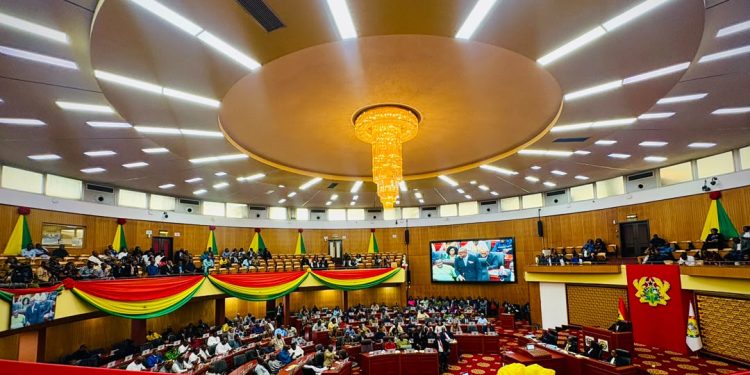
Ghana’s Anti-LGBTQ Bill Faces Uncertain Path Despite Parliamentary Approval
Ghana’s Human Sexual Rights and Family Values Bill, widely referred to as the anti-LGBTQ bill, remains at the center of national debate as uncertainty surrounds its path to becoming law.
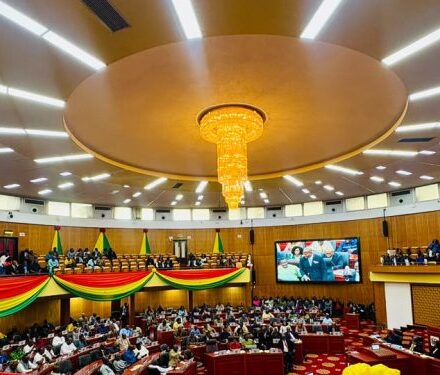
Although Parliament has approved the proposed legislation, constitutional and legal questions continue to shape discussions about its future. The bill has sparked strong reactions from political leaders, religious groups, civil society organizations and international partners.
The legislation seeks to prohibit a range of activities related to LGBTQ advocacy and identity. Supporters say the bill reflects Ghana’s cultural values and responds to public calls to protect what they describe as traditional family structures.
Several lawmakers and faith-based organizations have argued that the legislation reinforces social norms that many Ghanaians support. They maintain that Parliament acted within its constitutional mandate by passing the bill.
However, the bill has also attracted significant opposition. Human rights organizations, legal experts and some civil society groups argue that several provisions could conflict with constitutional protections relating to equality, freedom of expression, association and privacy.
Critics have also expressed concern about the potential impact of the legislation on healthcare providers, advocacy groups and individuals who may be affected by its provisions. They have called for careful constitutional review before any further action.
The bill’s journey has already faced procedural challenges. An earlier version approved by Parliament did not become law before the previous Parliament ended its term. As a result, lawmakers reintroduced the legislation in the current Parliament, where it received fresh approval.
Despite that approval, the legislative process is not yet complete. Under Ghana’s constitutional framework, additional legal and constitutional steps remain before the bill can take effect. The final outcome will depend on those processes and any related legal developments.
The issue has generated extensive public discussion across Ghana. Supporters continue to urge the government to complete the process, arguing that the legislation reflects the country’s social and cultural values.
Opponents, meanwhile, have encouraged authorities to consider Ghana’s constitutional obligations and international human rights commitments before any final decision.
Legal analysts note that the debate extends beyond the substance of the bill. They say the discussion also raises broader questions about constitutional interpretation, legislative authority and the balance between majority opinion and the protection of fundamental rights.
The proposed legislation has also attracted attention from international organizations and foreign governments. Some have urged Ghana to safeguard internationally recognized human rights, while others have acknowledged that the decision ultimately rests with Ghana’s constitutional institutions.
As discussions continue, the future of the Human Sexual Rights and Family Values Bill remains uncertain. Whether the legislation ultimately becomes law will depend on the completion of constitutional procedures and the resolution of any legal questions that may arise.
For now, the bill continues to represent one of the most closely watched legislative issues in Ghana, reflecting the complex intersection of law, public policy, culture and human rights.